
Foods That Improve Eye Health
Discover the nutritional power of natural foods that support vision, protect eye tissues, and promote long-term eye wellness through evidence-based dietary choices.
The information on this site is for educational purposes only and does not constitute medical advice. Always consult a qualified healthcare professional before making health decisions.
Browse by Category
Featured Eye-Health Foods
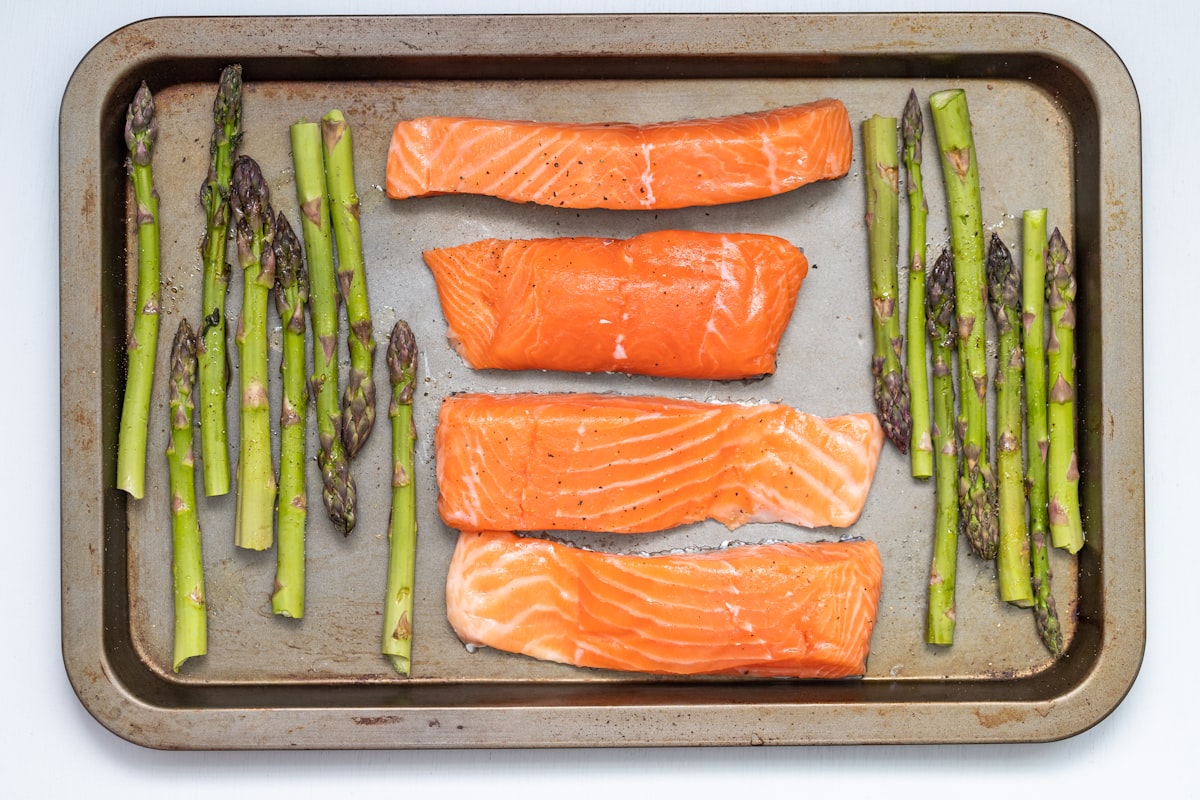
Spinach & Leafy Greens
Spinach, kale, and collard greens are packed with lutein and zeaxanthin—powerful antioxidants that filter harmful light and protect the macula from age-related degeneration. These nutrients accumulate in eye tissues and reduce oxidative stress that can damage vision over time.

Salmon & Fatty Fish
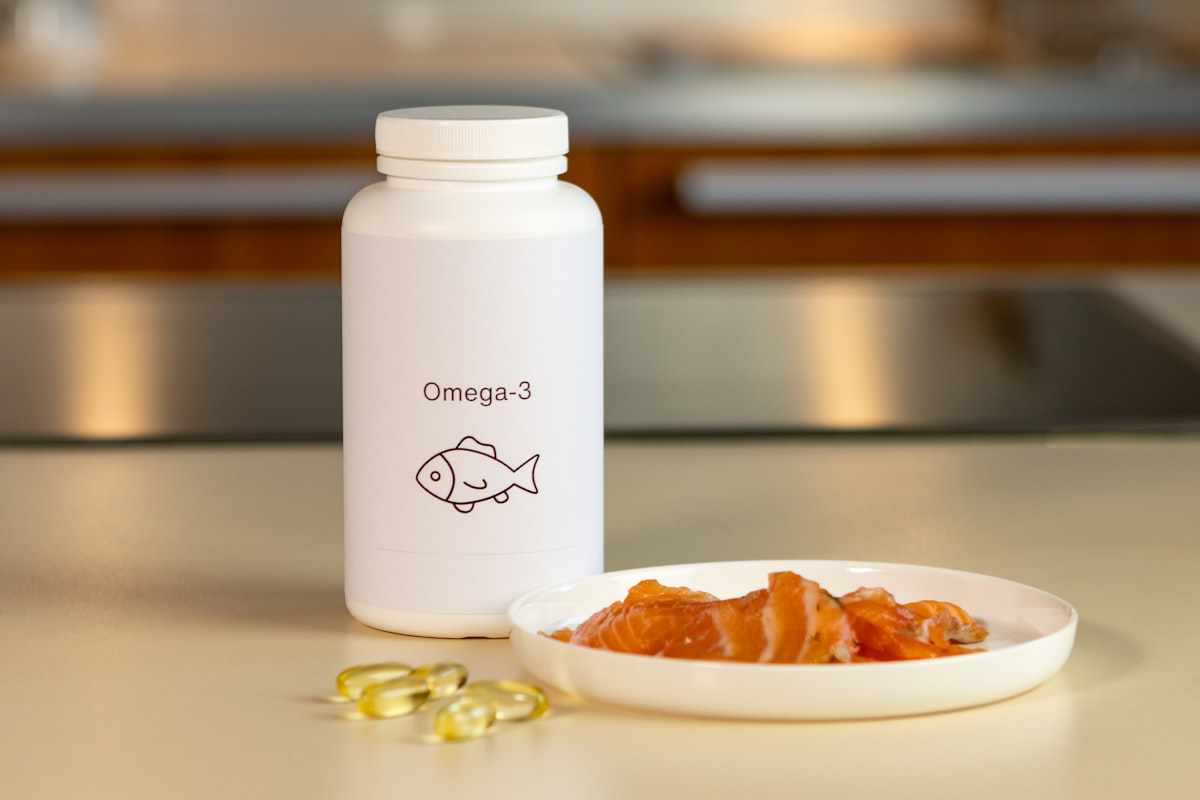
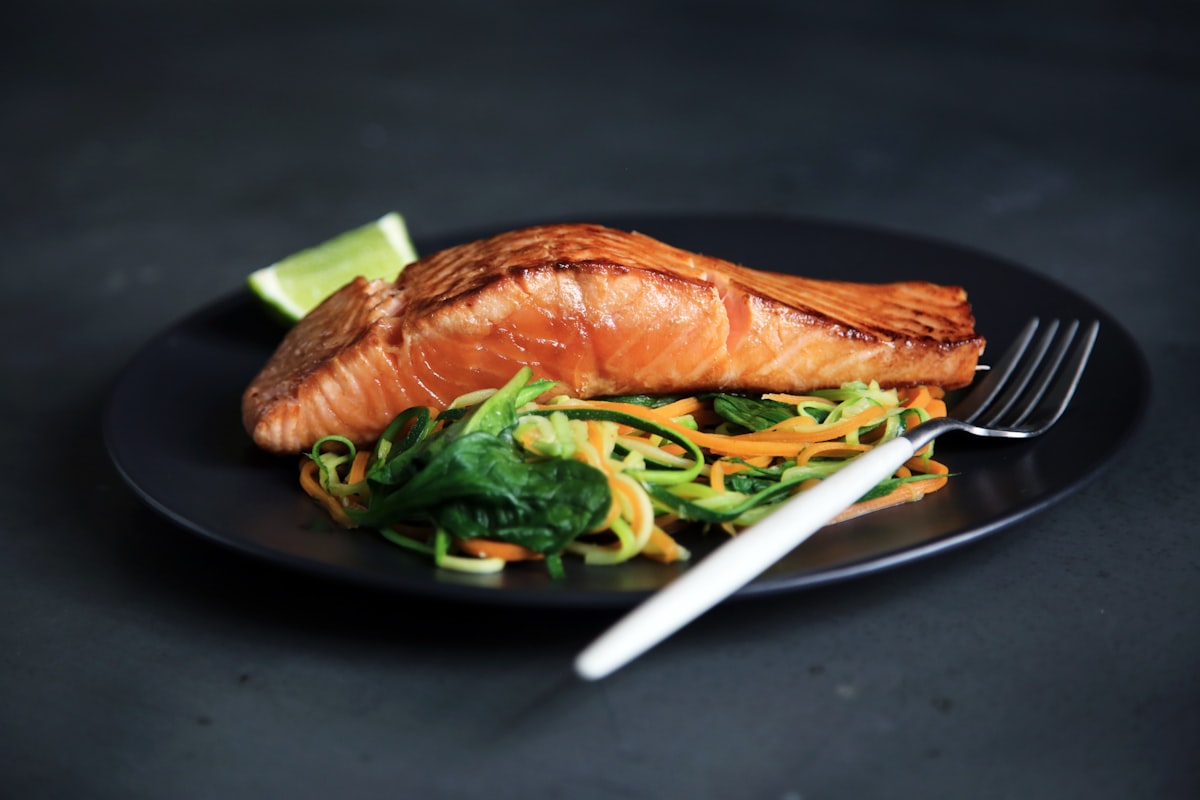
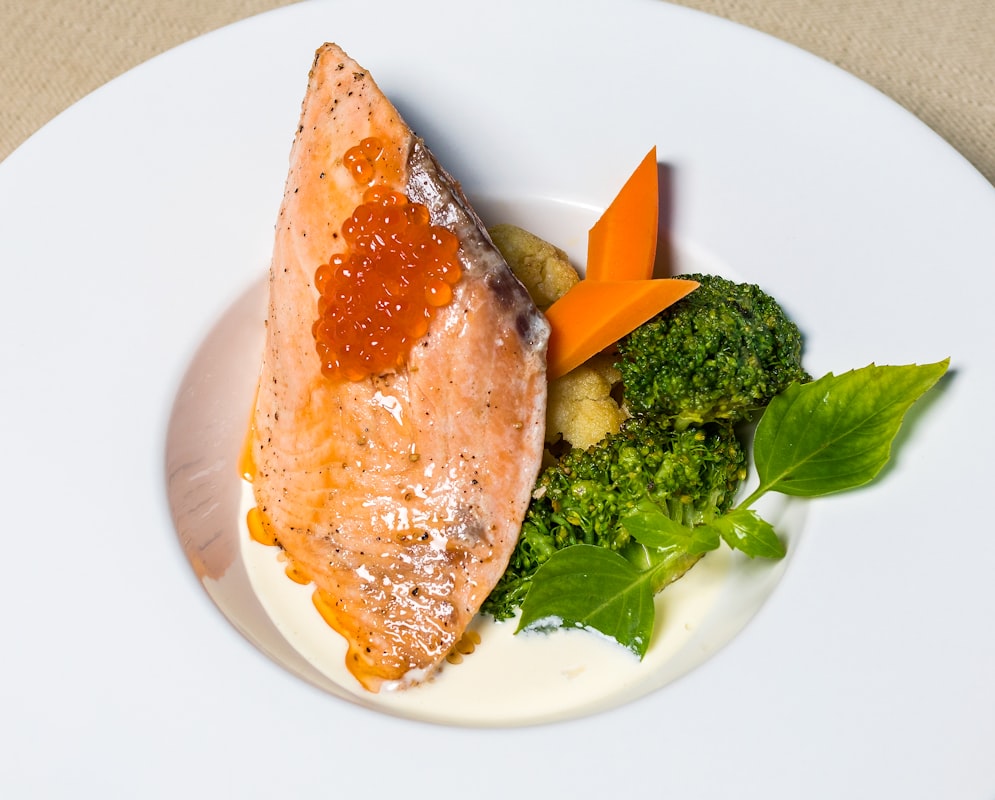
Salmon, mackerel, and sardines provide essential omega-3 fatty acids that support retinal function and reduce inflammation in eye tissues. Omega-3s improve blood circulation to the eyes, enhance tear film stability, and support the structural integrity of the retina and optic nerve.
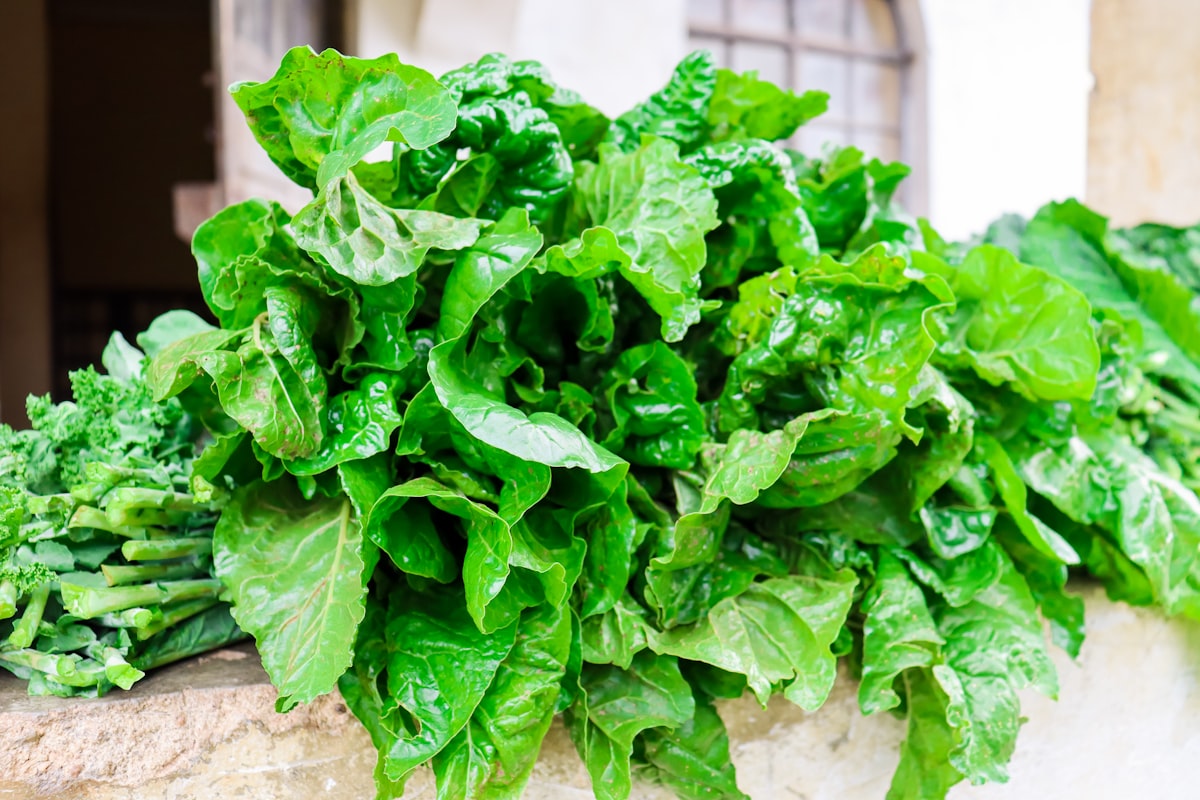
Blueberries & Dark Berries
Blueberries, blackberries, and bilberries contain anthocyanins—potent antioxidants that improve night vision and reduce eye strain from digital screens. These compounds strengthen blood vessel walls in the eye and enhance visual acuity by protecting photoreceptor cells from oxidative damage.
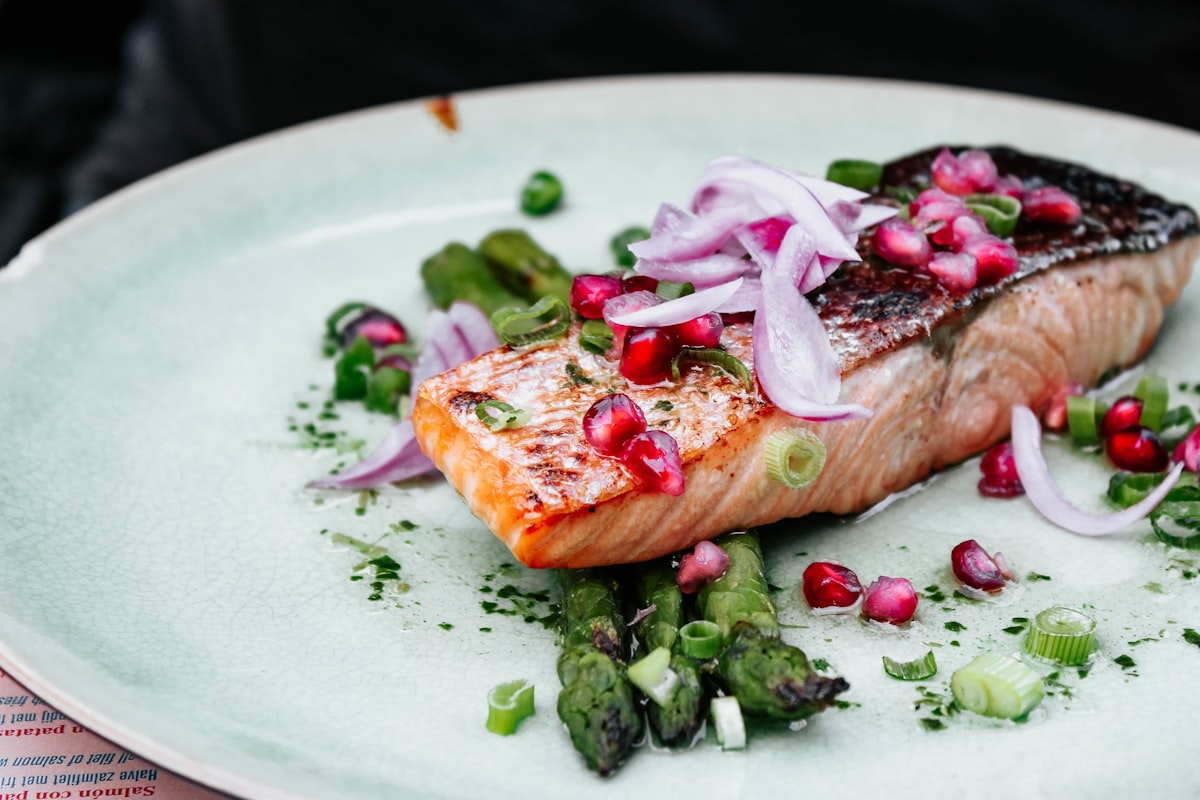
Carrots & Sweet Potatoes
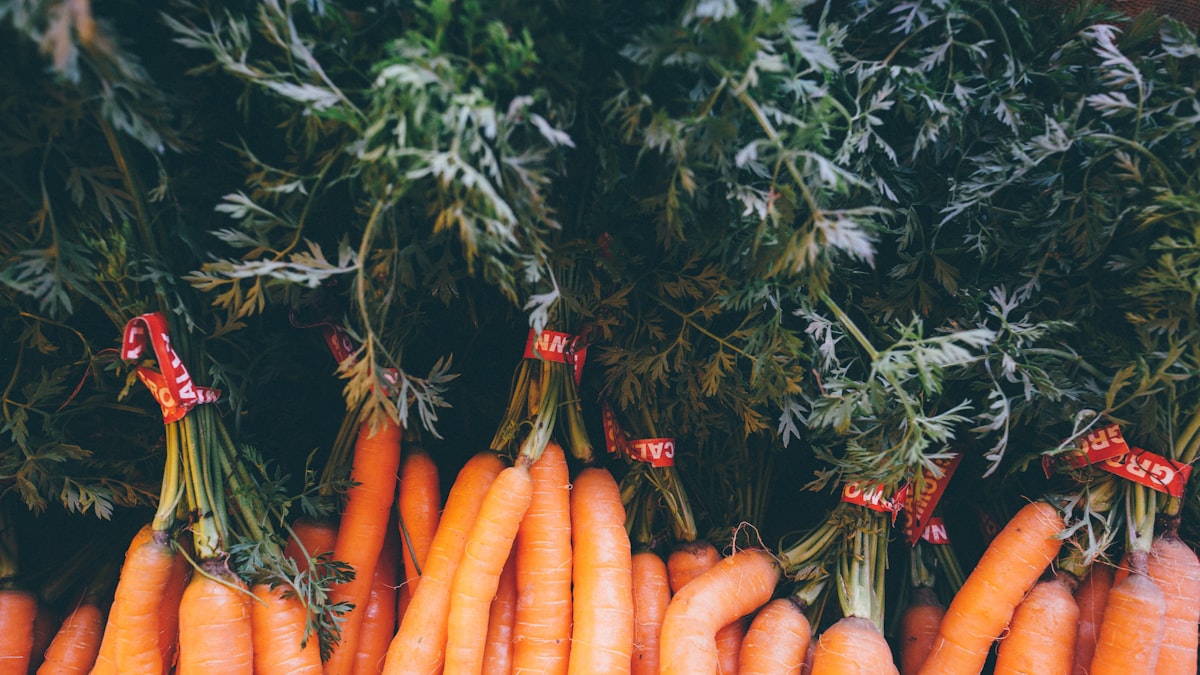
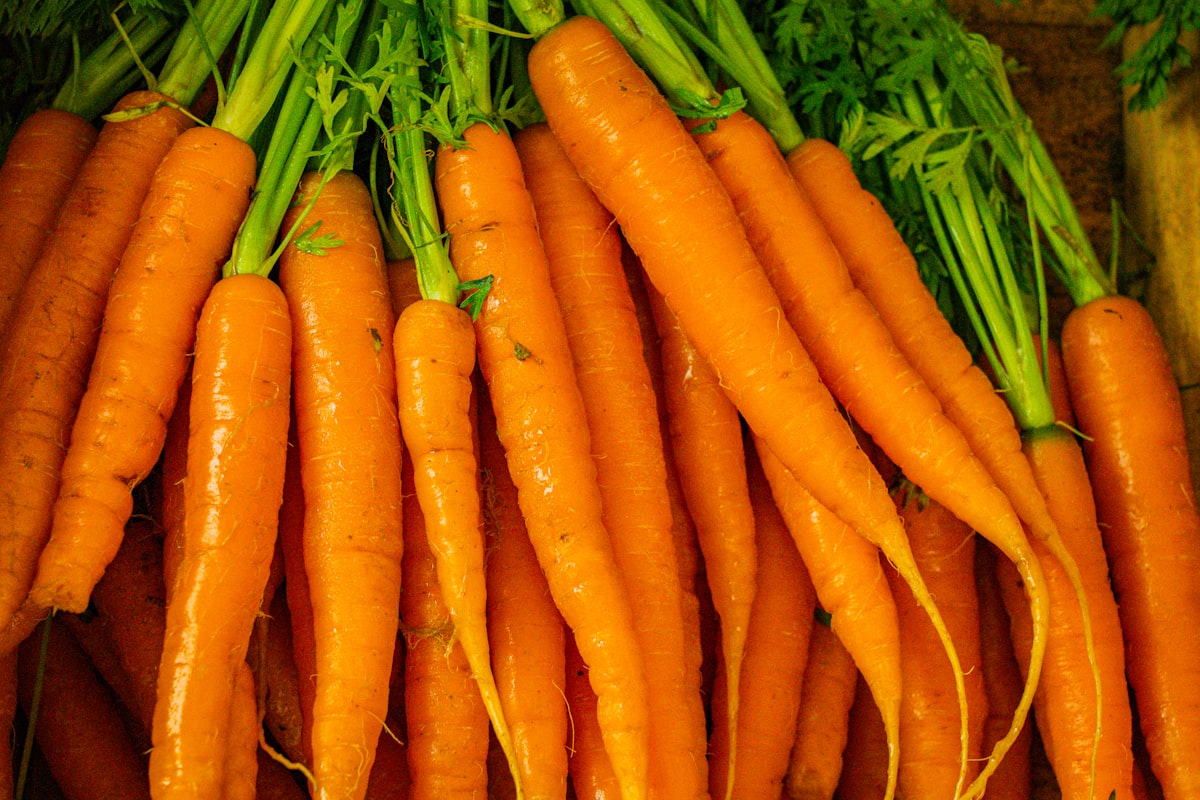
Carrots are renowned for their beta-carotene content, a precursor to vitamin A essential for converting light into electrical signals in the retina. Sweet potatoes, pumpkin, and winter squash provide similar carotenoid profiles that maintain corneal health and support low-light vision performance.
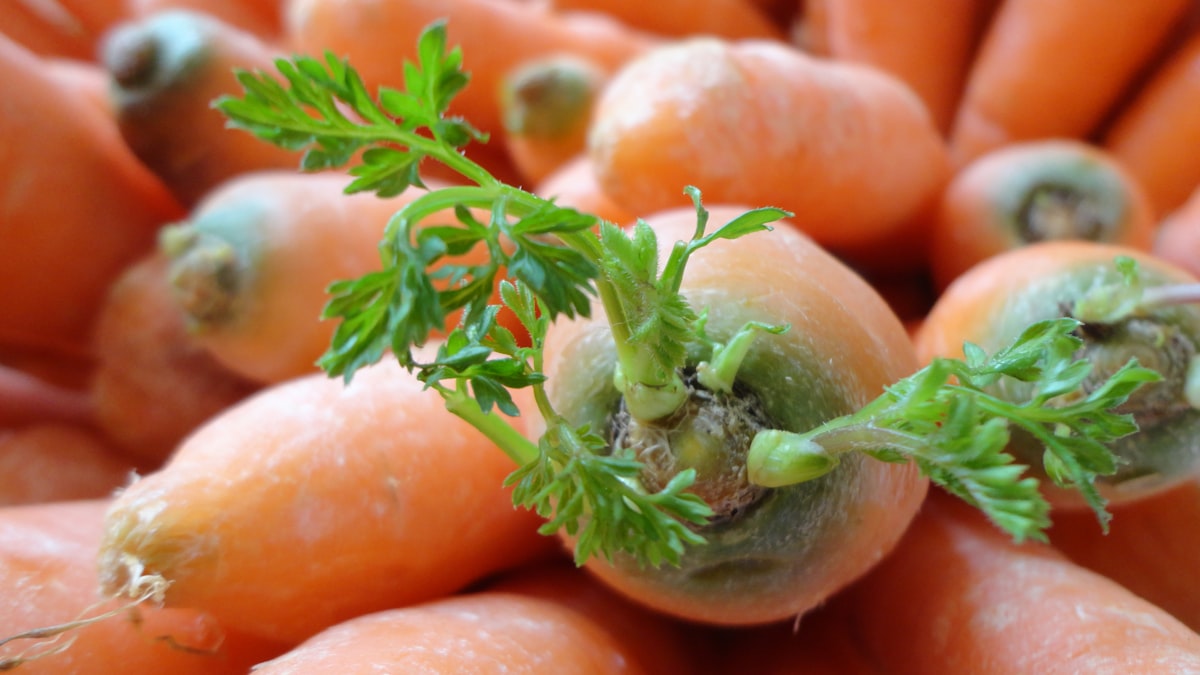
Almonds & Nuts
Almonds, hazelnuts, and sunflower seeds deliver vitamin E and selenium—minerals that combat free radical damage and slow age-related vision decline. These nutrients protect lens transparency and maintain the health of retinal cell membranes through powerful antioxidant mechanisms.
Eggs
Eggs are exceptional sources of lutein, zeaxanthin, and choline—nutrients concentrated in the yolk that support macular health and nerve function in the visual pathway. The bioavailability of these compounds is enhanced when consumed with dietary fats, making eggs an ideal eye-supporting food.
Broccoli & Cruciferous Vegetables
Broccoli, cauliflower, and Brussels sprouts contain sulforaphane and vitamin C, which activate protective pathways in eye cells and neutralize harmful free radicals. These compounds enhance the eye's natural detoxification systems and reduce inflammation that contributes to vision loss.
Bell Peppers & Citrus Fruits
Red and yellow bell peppers, oranges, and lemons provide high-dose vitamin C that supports collagen formation in the cornea and lens. Vitamin C reduces oxidative stress in the eye and works synergistically with other antioxidants to maintain clear vision throughout life.
Key Nutrients for Eye Health
Lutein & Zeaxanthin
Macular pigments that filter blue light and protect central vision from oxidative damage and degeneration.
Omega-3 Fatty Acids
Essential polyunsaturated fats that reduce inflammation, improve tear production, and support retinal function.
Anthocyanins
Powerful antioxidants from dark berries that improve night vision and reduce strain from screen exposure.
Vitamin A & Carotenoids
Essential for light detection, color vision, and corneal health. Supports adaptation to low-light environments.
How Nutrient-Rich Foods Support Vision
The foods we consume directly influence the structural and functional health of our eyes. When you eat nutrient-dense foods rich in antioxidants, minerals, and healthy fats, these compounds accumulate in eye tissues where they work to counteract daily oxidative stress from light exposure, screen time, and environmental factors.
The retina—the light-sensitive tissue at the back of the eye—is particularly vulnerable to oxidative damage due to its high metabolic activity and constant exposure to light energy. Antioxidants like lutein, zeaxanthin, vitamin C, and vitamin E act as cellular defenders, neutralizing harmful free radicals before they damage critical eye structures.
Additionally, the eye relies on precise blood circulation and nerve signaling to transmit visual information to the brain. Omega-3 fatty acids improve vascular health, reduce inflammation, and support the myelin sheath protecting the optic nerve, ensuring clear signal transmission from eye to brain.
Antioxidant Protection
Scavenges free radicals and prevents age-related macular degeneration
Vascular Support
Strengthens blood vessels and improves oxygen delivery to eye tissues
Inflammation Reduction
Lowers chronic inflammation linked to vision decline and eye disease
Lens Clarity
Maintains protein structure and prevents clouding of the lens
Common Questions About Eye Health Nutrition
How quickly do eye-supporting foods show results?
Nutritional changes support long-term eye health. While some benefits like improved tear production or reduced strain may be noticeable within weeks, protective antioxidants accumulate in eye tissues over months. Consistent dietary choices over 6-12 months provide measurable improvements in visual comfort and clarity.
Can nutrition alone replace other eye care practices?
Optimal eye health requires a comprehensive approach. Nutritious foods provide cellular support, but should be combined with digital screen breaks, UV protection, regular eye examinations, and proper sleep. Think of nutrition as a foundation that works best alongside these complementary practices.
Which nutrients are most critical for vision?
Lutein and zeaxanthin protect the macula, omega-3 fatty acids support retinal structure, vitamin A enables light detection, and vitamin C reduces oxidative stress. These work synergistically—no single nutrient is complete alone. A colorful diet ensures you consume multiple protective compounds.
Are supplements needed if I eat well?
A balanced diet with varied whole foods provides excellent nutrition for most people. However, if you have limited food access, dietary restrictions, or significant exposure to eye strain, supplements may help fill nutrient gaps. Consult with a nutritionist to assess your individual needs.
How much of these foods should I eat daily?
General guidance: 1-2 cups leafy greens, 2-3 oz fatty fish 2-3 times weekly, 1 handful of nuts daily, and colorful vegetables at each meal. Individual needs vary based on age, lifestyle, and baseline nutrition. These amounts provide protective nutrient levels without excess calories.
Can I improve vision at any age with better nutrition?
Yes. While early intervention is ideal for preventing age-related decline, nutritional improvements benefit eyes at all ages. Antioxidants work continuously to protect eye cells, improve circulation, and reduce inflammation—processes that support vision whether you're 20 or 70.
Reader Experiences with Eye Health Nutrition
"After reading about lutein and zeaxanthin, I started eating spinach and kale salads daily. Within three months, my eye strain from computer work noticeably decreased. I also notice colors seem more vivid. This dietary approach feels sustainable and genuinely helpful for long-term vision wellness." — Rini Hartanto, Jakarta
"I incorporated blueberries and salmon into my weekly meals after learning about anthocyanins and omega-3s. My night vision has improved, and I feel more conscious about how food directly impacts my eyes. The educational content here helped me understand the science behind each recommendation." — Budi Wijaya, Surabaya
"As someone with a family history of vision problems, I appreciate the detailed guides about vitamin A, vitamin C, and antioxidants. I've restructured my diet to include carrots, citrus, and almonds. It's empowering to take proactive steps through nutrition rather than waiting for problems to develop." — Siti Nurhaliza, Yogyakarta
Building an Eye-Health Nutrition Plan
Creating a dietary strategy for visual wellness doesn't require complicated meal plans or expensive supplements. The foundation is simple: include a variety of whole foods from each nutrient category throughout your week, prioritize fresh and minimally processed options, and focus on consistency over perfection.
Weekly Meal Planning Tips
- 1. Sunday Prep: Buy a variety of leafy greens, colorful vegetables, and one fatty fish type. Wash and portion greens for easy salads throughout the week.
- 2. Breakfast Routine: Include eggs or nuts with whole grains. Eggs provide lutein and choline; nuts deliver vitamin E and minerals for morning eye nourishment.